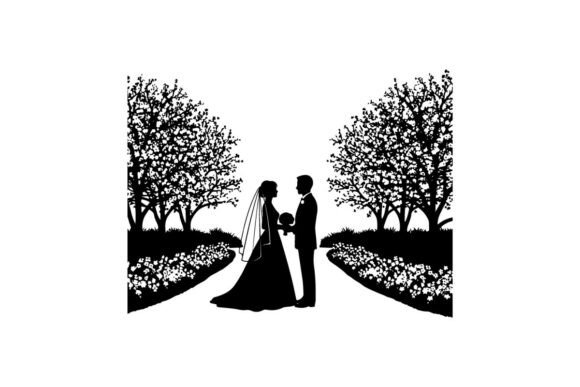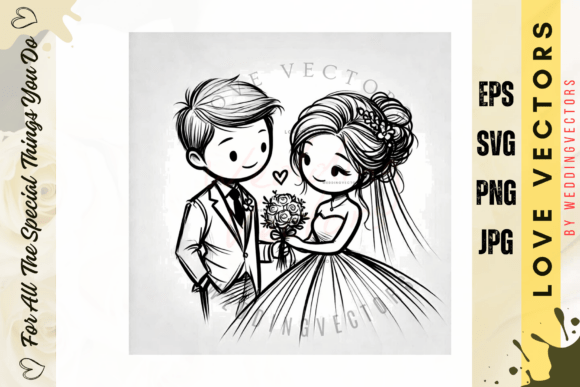
Designing Timeless Invitations with Wedding Card Vector Art
There is a distinct feeling that washes over you when you slide open an envelope and pull out a wedding invitation that feels truly special. It’s not just about the text or the paper stock; it is the intricate swirl of the calligraphy, the delicate floral motifs framing the date, and the subtle balance between negative space and ornamentation. For designers and couples alike, capturing that feeling of elegance and permanence is the ultimate goal. This is exactly where the versatility of wedding card vector art becomes an indispensable asset. Unlike raster images that pixelate when resized or static backgrounds that cannot be easily edited, vector art provides a mathematical foundation for beauty, allowing you to scale designs from a tiny RSVP card to a massive venue banner without losing a single ounce of clarity.
The Anatomy of Elegance: Why Vectors Matter
When you are working on high-stakes print materials, precision is non-negotiable. Wedding stationery requires a level of detail that raster graphics simply cannot guarantee. Vector art, created using paths rather than pixels, ensures that every flourish, monogram, and border remains crisp and defined regardless of the output size. This is particularly crucial for modern typography and decorative elements that rely on sharp edges and smooth curves. If you are a graphic designer running a print-on-demand service or a stationer creating custom suites, relying on high-quality vector files is the difference between an amateur result and a professional presentation.
The visual appeal of these assets lies in their ability to bridge the gap between traditional craftsmanship and digital efficiency. We often associate vector art with clean, geometric logos, but in the realm of wedding design, it encompasses a vast array of styles. You can find everything from hand-drawn botanical illustrations to geometric Art Deco borders, all fully editable. This flexibility allows you to deconstruct a design, taking a floral element from one file and a text frame from another to create something entirely unique. It turns the design process into a creative playground rather than a rigid constraint.
Matching the Aesthetic to the Brand Identity
For small business owners and entrepreneurs in the wedding industry, your visual identity speaks volumes before you ever say a word. If you run a boutique event planning agency or a high-end calligraphy studio, the assets you use in your marketing materials define your market position. Using generic clip art can cheapen your brand perception, whereas curated vector art elevates your professionalism. It signals to potential clients that you value quality and understand the nuances of visual communication.
Consider the specific "personality" of the vector art you choose. A design featuring heavy, ornate baroque scrollwork suggests a traditional, black-tie affair. Conversely, a suite utilizing minimalist line art and geometric shapes appeals to a modern, industrial-chic audience. By aligning these visual cues with your brand strategy, you create immediate recognition. When a potential client sees your social media graphics or website banners, they should instantly understand the type of experience you offer. This consistency builds trust and helps attract the right kind of clientele who resonate with your specific aesthetic.
Practical Applications Beyond the Invitation
While the primary use case is obvious, the utility of wedding-themed vector art extends far beyond the physical invitation suite. As a content creator or marketer, these assets offer a treasure trove of possibilities for visual storytelling.
- Digital Marketing and Social Media: Wedding vectors are perfect for creating cohesive Instagram stories, Pinterest pins, and Facebook headers. You can use delicate floral swags to frame text overlays on photos, creating a branded look for your digital content that feels polished and intentional.
- Packaging and Merchandise: If you sell physical products, such as candles, favors, or stationery, vector elements can be adapted for packaging design. A simple monogram or border pattern can be printed on boxes, tissue paper, or stickers to create a memorable unboxing experience.
- Editorial and Blog Layouts: For bloggers covering the wedding niche, these graphics break up text walls and add visual interest to long-form articles. They can be used as drop caps, section dividers, or background textures that don't distract from the readability of the content.
- Environmental Design: Think about signage for the actual event. Welcome signs, table numbers, and menu cards all require scalable graphics to ensure they look sharp when printed on foam board or etched into acrylic.
Mastering Typography and Pairing
Visual consistency is the backbone of good design, and this is where font pairing comes into play. A common mistake is using a single ornate font for everything, which can lead to visual fatigue. Instead, use the vector elements to support a strong typographic hierarchy. For example, if you have a heavy, decorative script font for the couple's names, pair it with a clean, geometric sans-serif for the details like time and location.
When integrating vector art with text, pay close attention to the "weight" of the design. If your vector illustration is intricate and busy, your typography needs to be legible and perhaps slightly bolder to stand out. Conversely, if the vector art is subtle—perhaps a faint watercolor wash or a thin-line border—you can afford to use a more delicate serif font. Always test your pairings by printing a sample or viewing it at 100% zoom on a screen. Readability is paramount; if the guests have to squint to read the venue address, the design has failed its primary function.
Navigating Licensing and File Formats
Before you fall in love with a specific set of graphics, it is vital to understand the commercial licensing terms. If you are using these assets for a personal project, such as your own wedding, standard licenses are usually sufficient. However, if you are a designer creating a template to sell, or a business using the art on merchandise, you must ensure you have an extended or commercial license. Ignoring this can lead to legal headaches down the road.
Furthermore, look for asset packs that offer versatility in file formats. Ideally, you want access to AI (Adobe Illustrator), EPS, and SVG files. These formats allow for full scalability and color customization. If you are working in Canva or other drag-and-drop editors, look for PNG files with transparent backgrounds, though be mindful of resolution limitations. Having access to a premium font or a comprehensive design asset library that includes these varied formats ensures that you are prepared for any project requirement, whether it is a web design mockup or a large-format print job.
Final Thoughts on Creative Value
Ultimately, the value of incorporating high-quality vector art into your workflow is about efficiency and impact. It saves you hours of drawing time while simultaneously raising the production value of your projects. Whether you are a hobbyist creating a one-off invitation for a friend or a branding agency developing a full suite of materials for a corporate event, these assets provide the building blocks for sophisticated design. By focusing on the right aesthetic, ensuring readability, and respecting licensing, you can transform a simple concept into a visual masterpiece that resonates with your audience and stands the test of time.