Flower Spring Wedding Template Frame: A Designer's Guide
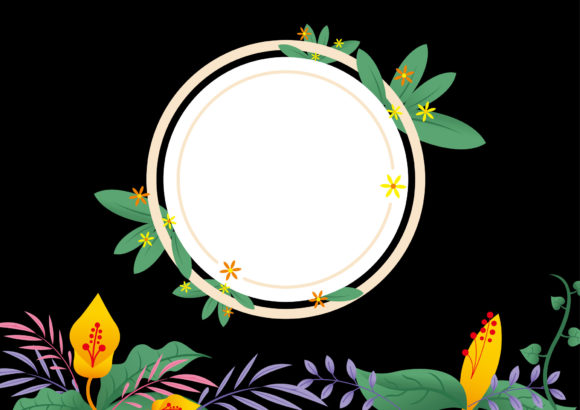
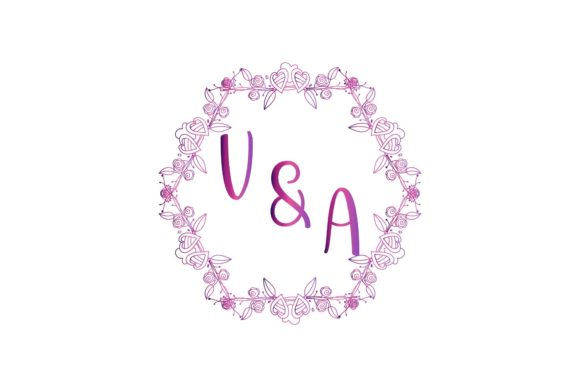
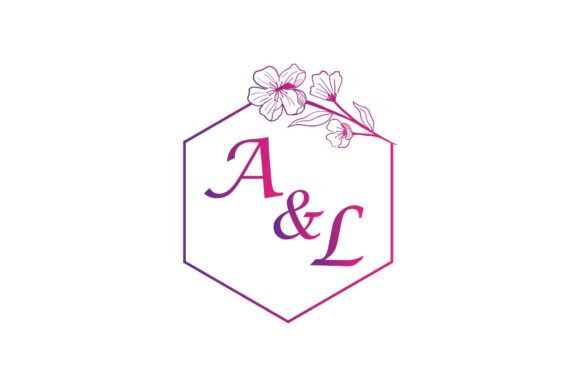
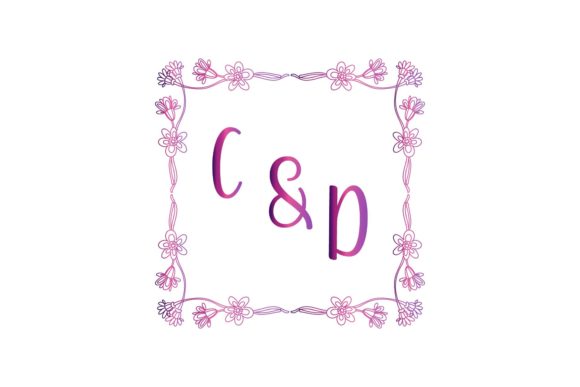
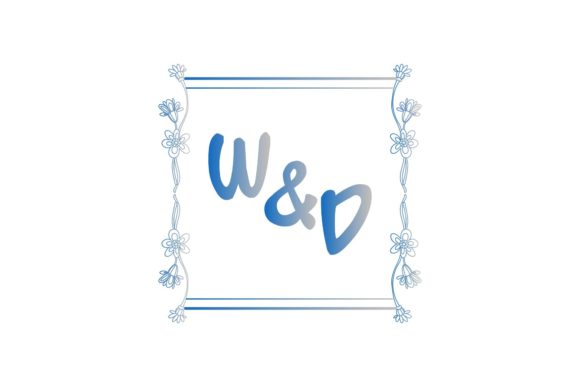
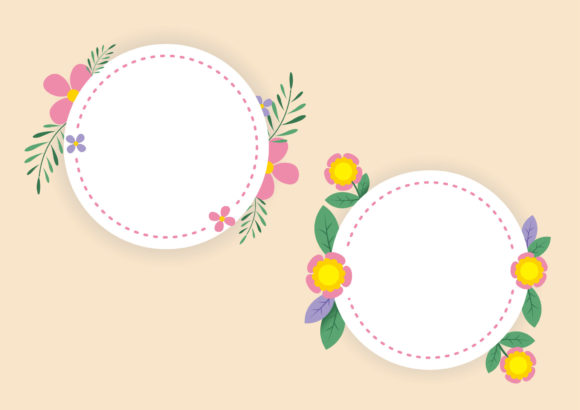
There’s a specific kind of magic in spring—the way soft light filters through new leaves, the gentle chaos of blossoms, and that feeling of fresh starts. Capturing that essence in a design project can be tricky, but that’s exactly where the right visual asset makes all the difference. The Flower Spring Wedding Template Frame isn’t just a collection of pretty borders; it’s a versatile toolkit built to inject that airy, romantic, and organic feel into a wide range of creative work. Think of it as a foundational element that can instantly elevate a project’s aesthetic, whether you’re crafting a brand identity or designing a one-off invitation.
Beyond the Wedding Invitation: Where This Frame Truly Shines
While the name suggests weddings, the application is far broader. The delicate floral motifs and elegant lines of this frame collection are a perfect match for anyone working in visual communication. A small business owner creating product labels for artisanal skincare will find the floral elements add a touch of natural luxury. A blogger designing social media graphics can use the frames to create cohesive, eye-catching templates for quotes, announcements, or featured content. The key is recognizing that these aren’t just decorative borders; they are design assets that help establish a mood and a visual language.
Consider these practical scenarios:
- Brand Identity & Packaging: Use the floral elements to craft a unique logo mark or as a repeating pattern on business cards and letterheads. For packaging, the frames can highlight a product name on a soap box or a candle label, communicating an artisanal, high-quality feel instantly.
- Digital Presence: On a website, a subtle frame can house a testimonial or an “About Us” section, adding visual interest without overwhelming the text. For social media, they create stunning story templates, post backgrounds, or highlight covers that maintain a consistent, professional look across your grid.
- Editorial & Print Projects: In a magazine layout or a printable poster, these frames can elegantly contain pull quotes, author bios, or event details. They transform plain text blocks into engaging visual elements that draw the reader’s eye.
The included file formats—high-resolution PNG, along with EPS and AI vector files—are what make this versatility possible. The PNGs are ready for quick use in Canva or Photoshop for digital projects. The vector files (EPS and AI) are the real workhorses for professional designers, allowing you to scale the frames to any size without losing quality, recolor individual elements to match a brand palette, or deconstruct the design to use a single flower as an icon. This flexibility is crucial for maintaining visual consistency across all your projects.
Matching the Frame to Your Project’s Personality
Not every project calls for the same treatment. A vintage-inspired tea company might use the full, ornate frame in muted, earthy tones to evoke a sense of tradition and warmth. A modern wellness app, on the other hand, might isolate a single, clean botanical line drawing from the collection and use it as a minimalist accent. The strength of a good design asset lies in its adaptability.
When integrating the frame, think about hierarchy. Is the frame the star, or is it supporting your main message? For a wedding invitation, the frame might be a dominant feature. For a business card, a single corner flourish might be more appropriate, ensuring the contact information remains the clear focus. This is where modern typography principles come into play. Pair the organic, flowing lines of the floral frame with a clean, sans-serif font for body text to ensure readability. A elegant serif or a subtle script font can complement the frame for headlines, creating a balanced and professional presentation.
Always test your font pairings within the frame. Place your chosen text inside the borders on screen and step back. Does the text compete with the decorative elements? Is there enough breathing room? The goal is a harmonious design where the frame enhances the content, not fights with it. Reviewing the included styles within the collection—perhaps there are simpler line art versions alongside more detailed illustrations—gives you options to match the complexity of your design to the project's needs.
A Practical Checklist for Implementation
Before you dive in, a little planning goes a long way. Here’s a straightforward approach to using the Flower Spring Wedding Template Frame effectively:
- Define the Role: Decide if the frame is a background, a border, a divider, or an accent. This will guide which part of the collection you use and how you scale it.
- Consider the Medium: A frame that looks stunning on a printed invitation might need simplification for a small website favicon. Use the vector files to adjust detail levels appropriately.
- Harmonize Colors: Don’t just use the default colors. Recolor the vector elements to integrate seamlessly with your existing brand identity or project palette. A monochrome version can be particularly sophisticated.
- Check Licensing: Since this is a commercial asset, ensure you understand the license. Typically, assets like these allow for use in unlimited personal and commercial projects, which is a huge advantage for entrepreneurs and designers building client work.
- Export Smartly: For web use, export your final design with the frame as a optimized PNG or SVG. For print, ensure your file is set to CMYK color mode and high resolution (300 DPI) using the vector source.
Ultimately, a resource like the Flower Spring Wedding Template Frame is about saving time while expanding your creative possibilities. It provides a professional, polished starting point that you can customize to make entirely your own. By thoughtfully applying these floral elements, you’re not just decorating—you’re building a stronger visual narrative that can improve brand recognition, engage your audience, and give every project a touch of spring’s timeless beauty.